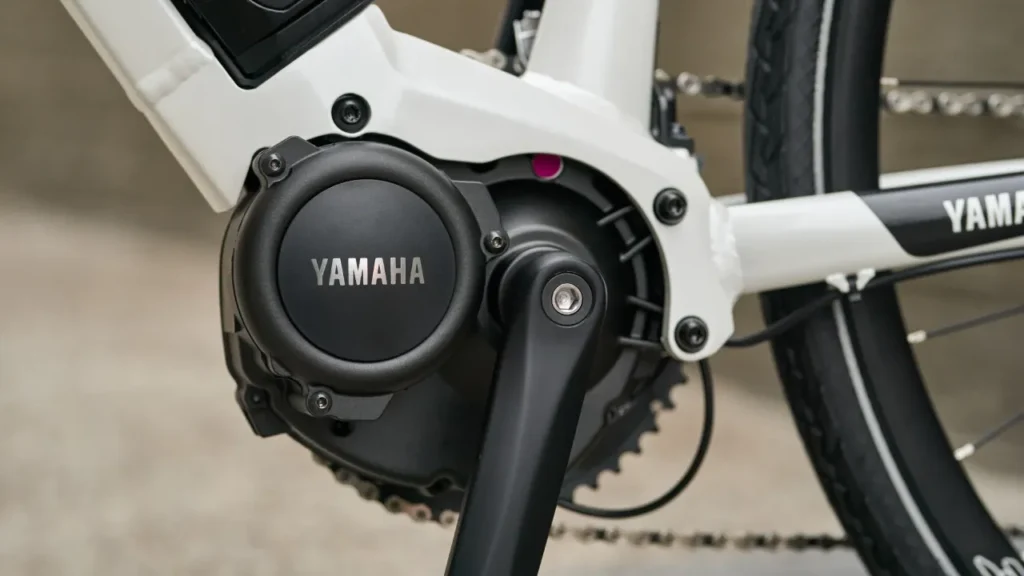
Yamaha has consistently been associated with reliable engineering, practical innovation, and long-term durability in the Indian two-wheeler market. Over the years, the brand has earned consumer trust through its motorcycles and scooters. Now, reports suggest that Yamaha may soon explore the fast-growing electric bicycle segment in India with a product focused on long riding range, lightweight construction, and modern features at an accessible price point.
Expected Design: Clean, Practical & Lightweight Build
The expected design language of the Yamaha electric cycle is likely to follow a minimal and functional approach. Instead of flashy styling, the focus may remain on usability, comfort, and durability. The frame could feature smooth contours and balanced geometry suitable for riders across different age groups.
A lightweight yet strong alloy frame is expected, helping riders maneuver easily in traffic and narrow streets. The riding posture may be upright and relaxed, reducing strain on the back and shoulders during longer commutes. This practical design approach can make it suitable for everyday urban usage.
Up to 150KM Riding Range on a Single Charge
Range is one of the most important factors when choosing an electric cycle. According to early expectations, the Yamaha electric cycle may offer up to 150KM riding range on a single charge, depending on riding mode, terrain, and load conditions.
Such a range would reduce frequent charging needs and make it ideal for daily commuting, small errands, and even extended weekend rides. Multiple riding modes such as eco and standard assist could be available to optimize battery consumption according to usage.
Advanced Lithium-Ion Battery with Easy Charging
The electric cycle is expected to use a high-capacity lithium-ion battery. Lithium-ion technology is widely preferred due to its better energy efficiency, lighter weight, and longer lifespan compared to older battery types.
Charging could be designed for convenience, allowing users to charge the battery at home using a regular power socket. Depending on battery capacity, a full charge may take a few hours. The battery unit is likely to be detachable, offering flexibility for apartment dwellers or office charging.
Smooth Motor Performance for City Riding
With decades of expertise in motor engineering, Yamaha is expected to tune the electric motor for smooth, silent, and efficient performance. Rather than focusing on high speed, the motor will likely prioritize stable power delivery for urban riding conditions.
Pedal-assist technology may allow riders to combine manual pedaling with electric assistance, reducing fatigue while maintaining control. This makes the electric cycle suitable for crowded roads and stop-and-go traffic situations.
Smart Digital Features for Modern Riders
Modern electric cycles often include digital elements, and Yamaha is expected to follow the same trend. A digital display panel may provide real-time information such as speed, battery percentage, riding mode, and estimated range.

Additional smart features could include LED lighting for better visibility, USB charging support for devices, and possibly mobile connectivity for ride tracking. These practical features enhance everyday usability without overcomplicating the experience.
Safety and Control with Reliable Braking
Safety is likely to remain a priority. The Yamaha electric cycle may feature disc brakes on both wheels for effective stopping power. Disc brakes provide better braking performance, especially in wet or sudden braking conditions.
Wider tires for improved grip, front suspension for smoother rides, and durable alloy wheels may also be part of the expected package, ensuring better stability and rider confidence.
Comfort-Focused Ergonomics for Daily Use
Comfort is essential for regular commuting. Yamaha is expected to design the electric cycle with a well-cushioned seat and ergonomically positioned handlebars. The suspension system may help absorb road bumps, offering a smoother riding experience.
These features collectively aim to reduce fatigue, making it suitable for both short and long urban rides.
Expected Price and Value Positioning in India
Although official pricing details are not confirmed, industry expectations suggest that Yamaha may position the electric cycle competitively in the Indian market. The focus could be on offering a value-for-money electric mobility solution that appeals to first-time EV buyers and budget-conscious consumers.
With increasing fuel prices and rising interest in eco-friendly transportation, electric cycles are becoming a practical alternative to petrol-powered two-wheelers for short-distance travel.
Specifications (Expected)
| Battery Type | Lithium-Ion (Expected) |
| Maximum Range | Up to 150KM (Claimed, depending on usage) |
| Motor Type | Hub Motor (Expected) |
| Braking System | Dual Disc Brakes (Expected) |
| Charging Time | Approx. 4–6 Hours (Estimated) |
| Display | Digital Instrument Panel |
| Target Usage | Urban Commuting & Daily Travel |
Potential Impact on India’s Electric Mobility Market
India’s electric mobility sector is expanding steadily, especially in urban regions. Electric cycles are gaining popularity due to their low running cost, minimal maintenance, and ease of use. If Yamaha enters this segment, its established service network and brand trust may strengthen its position against both domestic and international competitors.


Hi, my name is Faiq, and I am the creator and author of Eiefs. I have a strong interest in smartphones, automobiles, and modern technology. Through this website, I share informative and well-researched content to help readers stay updated with the latest trends, features, and news in the tech and auto world. My aim is to provide honest, useful, and easy-to-read information that adds real value for users.