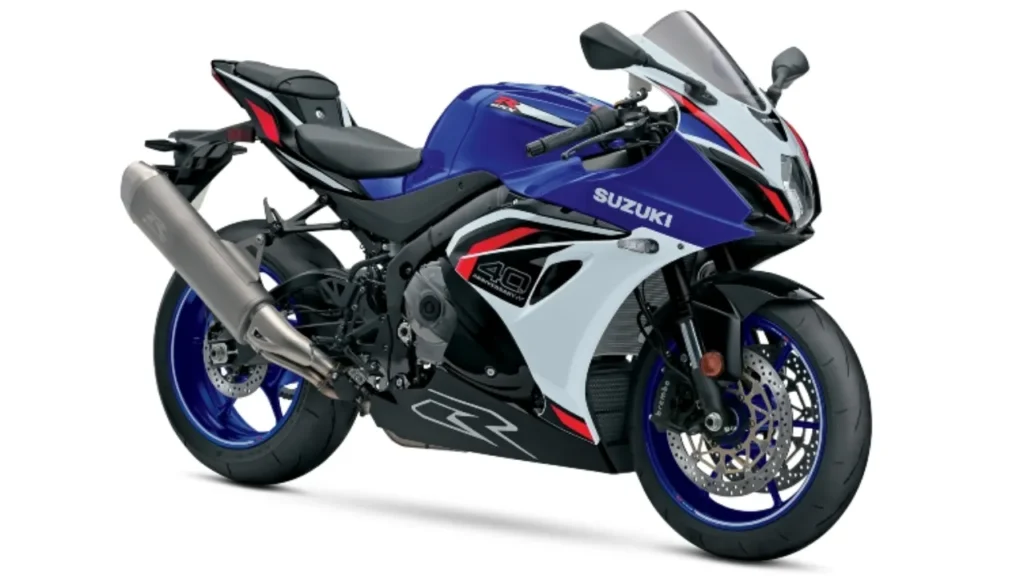
The 2026 Suzuki GSX-R1000 continues the heritage of one of the most respected names in the global superbike segment. For over two decades, the GSX-R1000 has built a reputation for precision engineering, mechanical reliability, and rider-focused performance. Rather than relying solely on electronic intervention, Suzuki’s liter-class machine has consistently delivered a balance of raw performance and predictable handling.
As emission regulations tighten and competition intensifies, Suzuki appears ready to refine its flagship superbike for 2026 while preserving the core philosophy that defines the GSX-R series.
What the 2026 Suzuki GSX-R1000 Represents in Today’s Superbike Market
In an era where many superbikes emphasize complex electronics and aggressive styling, the GSX-R1000 remains rooted in a rider-first approach. The motorcycle is engineered to offer strong mechanical feedback, confidence-inspiring stability, and smooth power delivery across a wide rev range.

The 2026 model is expected to focus on improving efficiency, updating technology, and complying with stricter emission standards, including Euro 5+ regulations. Instead of a complete redesign, Suzuki is likely refining what already works — maintaining the identity that long-time GSX-R enthusiasts appreciate.
This approach positions the GSX-R1000 as a superbike designed not only for track performance but also for real-world usability.
Engine and Performance: Optimized 999cc Inline-Four Power
At the heart of the 2026 GSX-R1000 is expected to remain Suzuki’s 999cc inline-four engine, known for its strong top-end performance and flexible mid-range torque. Engineers are likely to focus on optimizing combustion efficiency and internal durability rather than dramatically increasing peak output.
The motorcycle is expected to retain Suzuki’s Variable Valve Timing (VVT) system, a technology derived from racing experience. This system allows the engine to deliver strong acceleration at lower RPMs while maintaining impressive high-speed performance.
A six-speed gearbox with a bi-directional quick-shifter is expected to continue as standard, ensuring smooth clutchless gear changes during aggressive riding. Riders can anticipate controlled throttle response and predictable power output — characteristics that have always defined the GSX-R platform.
Expected performance figures may include:
Maximum Power: Around 200–205 horsepower
Peak Torque: Approximately 115–118 Nm
Wet Weight: Around 200–202 kg
While official numbers may vary by market, Suzuki is expected to prioritize smooth delivery over extreme peak figures.
Design Evolution and Aerodynamic Enhancements
The 2026 Suzuki GSX-R1000 is expected to receive noticeable visual and aerodynamic refinements. While maintaining its iconic GSX-R silhouette, the styling may appear sharper and more race-inspired.
Improved aerodynamic bodywork could help enhance high-speed stability and airflow management. Subtle winglet-inspired elements or revised fairing contours may contribute to improved performance without drastically altering the bike’s traditional identity.
A major anticipated update is the addition of a full-color TFT instrument cluster. This display is expected to provide clearer ride data, customizable layouts, and possible smartphone connectivity. Such modernization would align the GSX-R1000 with current premium superbike standards while keeping usability at the forefront.
Chassis, Suspension, and Braking System
The GSX-R1000 is known for its stable and responsive handling, and the 2026 model is expected to continue using a lightweight aluminum twin-spar frame. This chassis design balances rigidity and feedback, allowing riders to maintain control during aggressive cornering.
Suspension duties are likely handled by Showa Balance Free Front (BFF) forks paired with a fully adjustable rear monoshock. This setup enables fine-tuning for both track days and street riding conditions.
For braking performance, the superbike is expected to feature Brembo dual front discs with radial-mounted calipers, ensuring strong and consistent stopping power. Cornering ABS and advanced traction systems are expected to complement the mechanical braking components.
Electronics and Rider Assistance Systems
Modern superbikes demand advanced rider aids, and the 2026 GSX-R1000 is expected to deliver updated electronic systems without overwhelming the rider.

Anticipated features include:
Multiple ride modes
Traction control system
Wheelie control
Cornering ABS
Launch control
These systems are likely to remain adjustable, allowing experienced riders to tailor assistance levels based on their skill and riding environment.
Expected Launch Timeline and Availability
The 2026 Suzuki GSX-R1000 is expected to make its international debut in mid to late 2025, possibly at major global motorcycle exhibitions. Production models may reach dealerships in early 2026.
In markets such as India, availability could extend to mid-2026 depending on regulatory approvals and import processes. Suzuki may also introduce a limited or performance-oriented variant alongside the standard model.
Estimated Pricing in Global Markets
With updated technology and emission compliance improvements, the 2026 GSX-R1000 is expected to remain competitively positioned within the liter-class segment.
Estimated pricing may include:
Global Price: Approximately USD 19,000 – 21,000
India Price (CBU): Around ₹22 – 25 lakh
Final pricing will vary based on region, taxes, and official specifications announced at launch.
Why the 2026 GSX-R1000 Continues to Stand Out
The liter-class superbike segment is highly competitive, yet the GSX-R1000 continues to hold a distinct identity. Instead of focusing solely on aggressive peak numbers or excessive electronic complexity, Suzuki maintains emphasis on predictable handling, balanced power delivery, and rider confidence.
This approach makes the GSX-R1000 particularly appealing to experienced riders who value mechanical connection and controlled performance. The 2026 update appears to strengthen these fundamentals while incorporating modern features that today’s riders expect.
Final Verdict: A Thoughtful Evolution of a Legendary Superbike
The 2026 Suzuki GSX-R1000 represents a measured and purposeful evolution of an iconic superbike. With refined engine performance, updated electronics, improved aerodynamics, and modernized instrumentation, Suzuki aims to keep the GSX-R competitive in a rapidly evolving market.
For riders seeking a liter-class motorcycle that balances performance with usability, the upcoming GSX-R1000 remains a credible and compelling choice. Rather than reinventing its identity, Suzuki appears focused on enhancing what has always made the GSX-R1000 respected worldwide: precision, control, and authentic racing character.